Experience finely crafted jewelry made with premium materials and trusted by customers across the globe. Designed to last, adored everywhere.

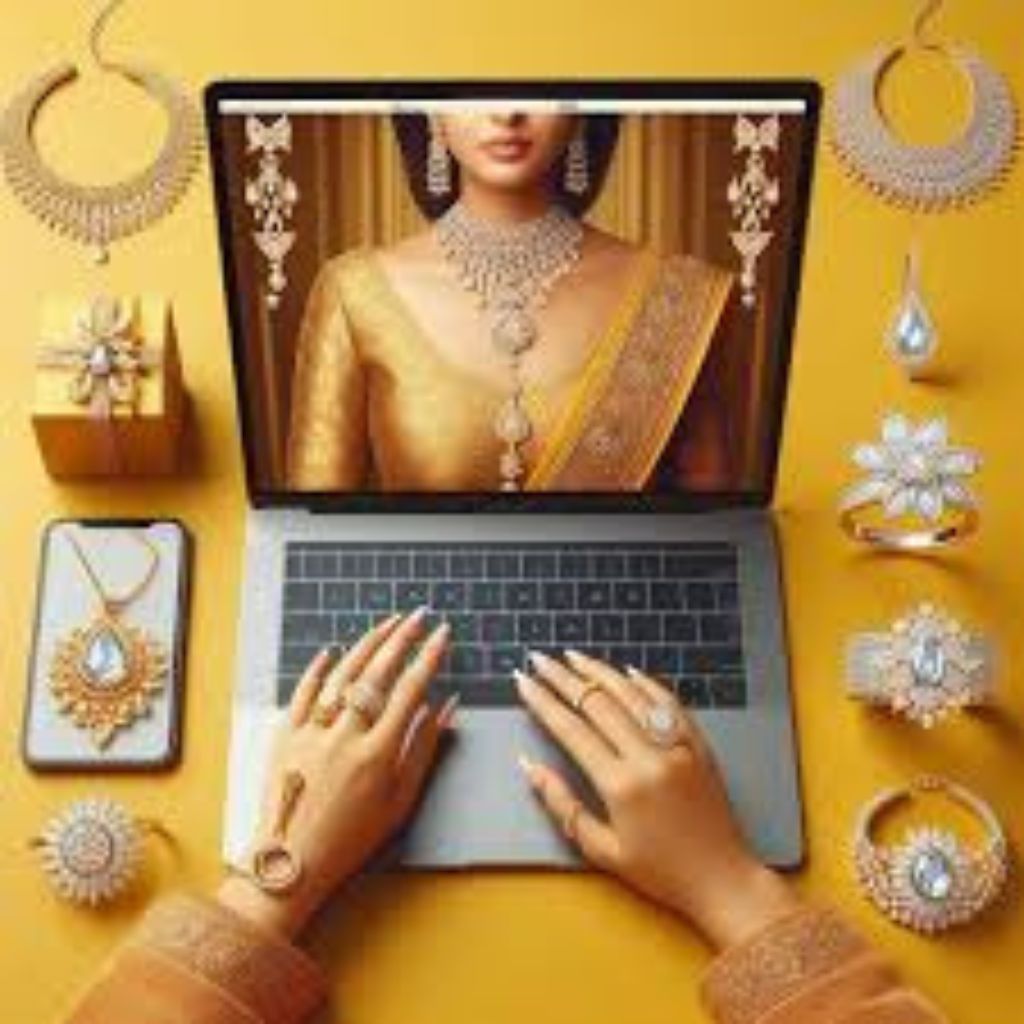
Marketing drives success in the competitive artificial jewelry market by building brand awareness and boosting sales. Effective strategies help businesses stand out amid fast-changing trends and price-sensitive customers.
Artificial jewelry, also known as imitation or costume jewelry, offers affordable elegance using materials like alloys, glass, and crystals. Unlike precious metals, it appeals to budget-conscious buyers seeking trendy designs. Marketing bridges the gap between production and consumer desire, highlighting value over cost.
Without marketing, even superior products gather dust. It educates buyers on quality perceptions, combats “cheap” stereotypes, and positions items as fashionable must-haves. In India, where artificial jewelry thrives during festivals and weddings, targeted campaigns can skyrocket demand.
Understanding buyers is key. Primary segments include young women aged 18-35 chasing Instagram trends, working professionals wanting versatile pieces, and gift shoppers for occasions like Diwali or birthdays. Men increasingly buy for partners, favoring modern minimalist styles.
Fashion is more than just clothing—it is a powerful form of self-expression. A well-designed outfit tells a story about personality, creativity, and confidence. In today’s fashion world, clothing brands and fashion designers are going beyond ready-made garments to offer something far more meaningful: custom designs tailored to individual style and identity.
Whether it is a special occasion outfit, a signature daily style, or a trend-setting statement piece, professional fashion designers bring imagination and craftsmanship together to create clothing that stands out.
Custom fashion design allows individuals to move away from mass-produced styles and embrace clothing that truly represents them.
Some key advantages include:
Unique designs that no one else owns
Perfect fit and comfort tailored to your body
Personalized style based on your preferences
High-quality fabrics and craftsmanship
When a clothing brand focuses on custom design, it creates an experience rather than just selling a product.
A fashion designer is an artist who transforms ideas into wearable creations. From conceptual sketches to the final stitch, designers ensure that every detail reflects creativity and quality.
Their design process often includes:
Understanding the client’s style and requirements
Creating sketches or digital designs
Selecting suitable fabrics and textures
Crafting the outfit with attention to detail
This thoughtful process ensures that each piece of clothing is both fashionable and meaningful.
One of the most exciting aspects of designer clothing is the ability to express individuality. A custom-designed outfit can reflect personal taste—whether it is minimalist elegance, bold modern fashion, or traditional charm.
Designers often blend:
Modern fashion trends
Cultural inspirations
Personal styling preferences
The result is clothing that not only looks beautiful but also feels authentic to the wearer.
Custom designer clothing is ideal for many occasions, such as:
Weddings and special celebrations
Professional or business attire
Fashion events and photoshoots
Casual yet stylish everyday wear
A carefully designed outfit can enhance confidence and make any moment feel extraordinary.
With the rise of personalization and creative expression, the future of fashion is moving toward customized design experiences. Customers today value originality, sustainability, and quality craftsmanship.
Clothing brands that focus on unique designs and personal styling are shaping a new era where fashion becomes more personal, artistic, and meaningful.
Fashion is not just about following trends—it is about creating a style that truly represents who you are. When a clothing brand offers custom designs through skilled fashion designers, it empowers individuals to wear clothing that reflects their personality, confidence, and creativity.
In the end, great fashion is not only about how you look—it’s about how you feel when you wear it.
Pain points: Durability concerns, allergy risks from base metals, and fading colors. Marketing addresses these through testimonials, care tips, and hypoallergenic claims. Location matters—Mumbai’s Mercy Sosa-like urbanites prefer bold statement pieces, while tier-2 cities lean traditional.

Experience finely crafted jewelry made with premium materials and trusted by customers across the globe. Designed to last, adored everywhere.