Experience finely crafted jewelry made with premium materials and trusted by customers across the globe. Designed to last, adored everywhere.

Lorem ipsum dolor sit amet, consectetur adipiscing elit. Ut elit tellus, luctus nec ullamcorper mattis, pulvinar dapibus leo.
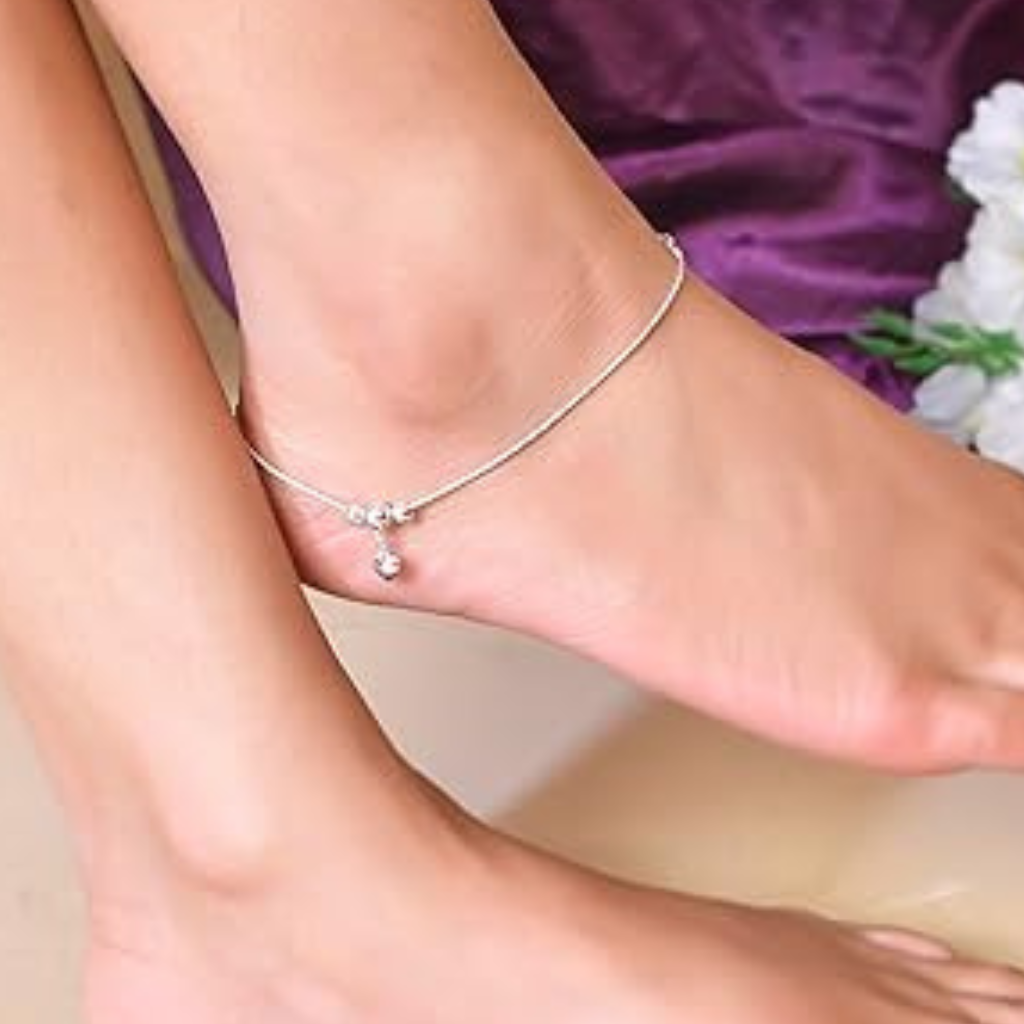
Among the many ornaments that adorn a woman, the anklet, lovingly called payal in India, carries a charm that is both delicate and powerful. From bridal ceremonies to everyday elegance, the payal has remained a timeless symbol of femininity, romance and cultural identity.
Whether you are a groom preparing for your wedding or a woman curious about the meaning behind this graceful ornament, understanding the beauty and relevance of the anklet will deepen your appreciation for this cherished tradition.
In this guide, we explore the history, symbolism, cultural significance, modern trends and emotional value of the anklet, while answering some common questions many couples have today.
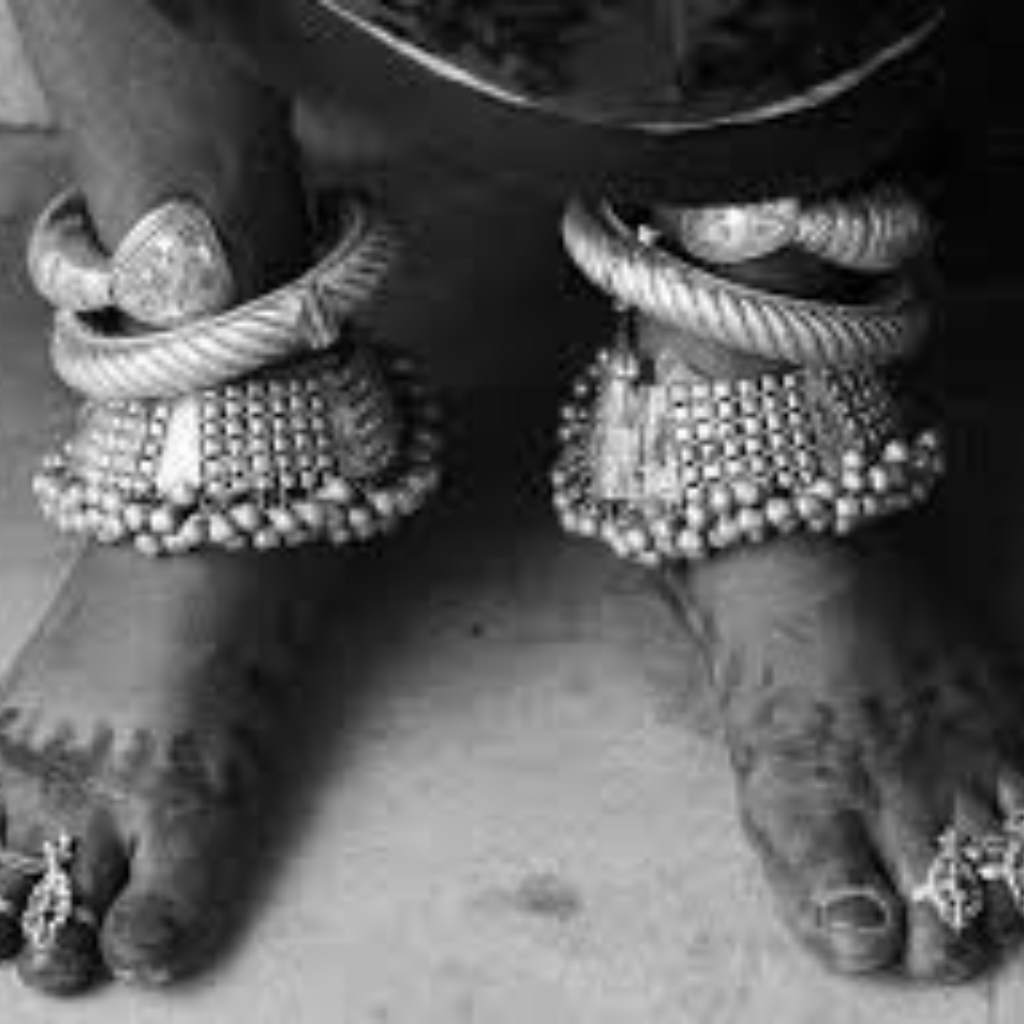
The Anklet is not a new trend, it is one of the oldest forms of jewelry known to civilization. Historical references suggest that anklets were worn in ancient Egypt, the Middle East and across Asia. In India, payals have been mentioned in classical literature and epics like the Ramayana, symbolizing grace and identity.
In traditional Indian households, a bride’s jewelry was incomplete without silver anklets. They were considered an essential part of Solah Shringar—the sixteen adornments of a married woman.
Over centuries, while fashion evolved, the emotional and cultural significance of the anklet remained untouched.
For women, wearing a payal is not just about fashion. It represents:
The soft jingling sound of anklets adds rhythm to every step. It enhances a woman’s presence with subtle elegance.
In Indian culture, payals are deeply associated with tradition and marital status. In many communities, gifting anklets to the bride is a symbolic welcome into her new home.
According to traditional beliefs, silver anklets help regulate body energy. Silver is known for its cooling properties and is believed to improve blood circulation.
From heavy bridal designs to minimalist chains, modern anklets allow women to express individuality while staying rooted in tradition.
If you are a groom-to-be, understanding the meaning of the anklet can make your wedding experience more meaningful.
A payal represents:
Gifting an anklet before or after marriage can be a deeply emotional gesture. Unlike flashy jewelry, the anklet symbolizes closeness, it is worn quietly, yet carries immense significance.
One of the most beautiful aspects of a payal is its sound.
In traditional Indian homes, the soft tinkling sound was believed to announce the arrival of the daughter-in-law. It was also considered auspicious, bringing positivity into the house.
Poets and writers have romanticized this sound for centuries. Even in classical dance forms like Bharatanatyam and Kathak, ankle adornments with bells enhance rhythm and storytelling.
For many husbands, that subtle sound becomes associated with warmth, companionship and home.
The timeless beauty of the anklet lies in its versatility.
Although traditionally avoided in some cultures for religious reasons, gold anklets are gaining popularity in urban fashion.
The beauty of today’s market is that it allows women to choose anklets that match their personality and lifestyle.
In many Indian weddings, gifting payal is not optional—it is customary.
For brides:
For grooms:
Wedding photographers often capture close-up shots of bridal anklets during rituals. The payal becomes part of the visual story of marriage.
Today’s women balance tradition and independence beautifully. The anklet has adapted to modern fashion without losing its essence.
Fashion designers now style anklets with lehengas, sarees, Indo-western gowns, and even beach wedding outfits.
Men too are becoming more conscious about gifting meaningful jewelry instead of generic options. A carefully selected payal stands out because it combines tradition with romance.
Here are practical tips to make the right choice:
A good anklet should feel light yet meaningful.
Unlike necklaces or bangles that are easily visible, anklets are subtle. They are often seen only by close family and the husband.
This subtlety makes them intimate.
For many women, removing the bridal payal is emotional—it marks the transition from bride to homemaker. Some preserve their wedding anklets for decades as keepsakes.
For husbands, the memory of seeing their bride walk toward them with softly chiming anklets remains unforgettable.
While not legally or socially mandatory, in many Indian traditions it is considered essential. It completes the bridal adornment and symbolizes marital grace.
Traditionally, gold is associated with deities and worn above the waist. Silver is believed to connect with the earth’s energy and is considered suitable for feet ornaments.
Yes. Many modern designs are lightweight and comfortable for everyday wear.
Absolutely. A thoughtfully chosen anklet reflects attention, love and understanding of cultural values.
Not anymore. Modern fashion pairs anklets with dresses, skirts and even beachwear.
Traditional beliefs suggest silver anklets may help with circulation and body energy balance, though scientific evidence is limited.
Marriage is about shared steps—walking together through life’s journey.
The anklet beautifully represents this symbolism. It adorns the feet, reminding us that every journey begins with a step. When a bride wears her payal, it signifies stepping into a new life filled with promise.
For men, understanding this symbolism adds emotional depth to the wedding experience. It transforms jewelry from a decorative purchase into a meaningful investment.
Trends will change. Fashion will evolve. Jewelry designs will transform.
Yet the anklet remains timeless.
It carries tradition without being rigid.
It expresses romance without being loud.
It celebrates femininity without demanding attention.
Whether you are a groom selecting a meaningful gift or a woman embracing your cultural roots, the payal continues to stand as a delicate yet powerful symbol of love, grace, and continuity.
In every gentle chime lies a story.
In every step, a promise.

Experience finely crafted jewelry made with premium materials and trusted by customers across the globe. Designed to last, adored everywhere.